When I first stepped into the classroom, I had no idea how much I didn’t know. Those first few years were rough. I was figuring out lesson plans on the fly, wrestling with classroom management, and trying to project confidence I didn’t always feel. But somewhere along the way—after a lot of trial, error, and reflection—I realized I had lucked into the work I was meant to do.
Next to being a dad, teaching is the most rewarding thing I’ve ever done. Over the years I’ve been fortunate enough to teach several different subjects, and each change has added something new to my skill set. Every stage has taught me lessons that have shaped the teacher I am today.
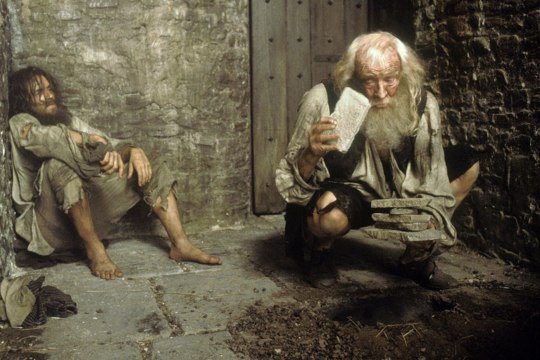
When I taught English, my favorite novel that I taught was The Count of Monte Cristo. Edmond Dantès meets the Abbé Faria in the darkness of prison, expecting perhaps a rescuer or a savior. What he finds instead is something far more valuable — a mentor who does not hand him answers, but sharpens his mind and spirit until he can discover them himself. I’ve come to see my role with students in much the same way. My job isn’t to script their futures or dictate their choices. It’s to challenge them, open doors of possibility, and give them the tools to think, adapt, and persevere. Like Faria with Dantès, I try to plant the seeds and trust my students to decide what they will grow.
Now, I split my time between CBI (Career Based Intervention) and Culinary Arts. My CBI students are impossible to pin down as a group—they’re individuals first. They’re with me for different reasons, but most share one thing in common: hopes, dreams, and needs that school hasn’t fully helped them reach. My job is to get them to graduation with the understanding that lifelong learning—the kind valued in the “real world”—isn’t the same thing as school learning.
My Culinary Arts students signed up for an elective that might look like an easy A or B. But I want more for them than a grade. I want them to learn how to plan, shop for, and prepare meals for themselves. I want them to see that they can feed themselves without relying on empty-calorie fast food and late-night DoorDash runs. And I hope they’ll leave my class having tried new flavors, new recipes, and discovered they’re capable of making good, nutritious, affordable meals.
Inevitably, when people hear I teach high school, they start in with the “kids today” speeches—how they’re lazy, entitled, addicted to their phones. I smile and think about being a kid myself. I was a huge Beatles fan, and I used to watch those grainy black-and-white scenes of teenagers screaming and fainting in the 1960s while their parents and grandparents shook their heads in disbelief.
I even remember my own grandfather—decades after the Beatles’ Ed Sullivan debut—telling me their success wasn’t about the music. He insisted it was the hair.

Here’s the truth: kids today are no different than kids have ever been.
They’ve got new tools, new distractions, and yes, new challenges. But the core hasn’t changed. They’re just as smart, energetic, curious, rebellious, independent, idealistic, impulsive, resilient, social, and emotional as ever. Technology may shape their world, but it doesn’t change their hearts.
As a teacher, I’ve been lucky to work with great kids year after year. Some come and go. Others make a more lasting impact. I remember one who emailed me after a semester at Ohio State. He had gone to major in one of the sciences, but quickly realized that it was not for him. He asked me if he should change to English. I told him that I could not be sure, but that if he kept looking and stayed open to new experiences, he would find his way. Today, he is an incredibly successful entrepreneur and businessman.
My students keep me learning, they keep me laughing, and they keep me coming back for more. And with a new school year starting, I’m reminded of something simple: the more things change, the more teenagers stay exactly the same—and that’s exactly why I love this job.

 The Good Noise